

Desafíos que enfrentan las ruedas en escenarios de alta temperatura
En el exigente ámbito de las aplicaciones industriales y comerciales, la selección de rodajas adecuadas no es sólo una cuestión de conveniencia sino un factor crítico para garantizar la eficiencia operativa y la seguridad. Esto es especialmente cierto en entornos de alta temperatura, donde la elección de las ruedas puede significar la diferencia entre un flujo de trabajo fluido y un costoso tiempo de inactividad. Los escenarios de altas temperaturas, comunes en sectores como la manufactura, el procesamiento de alimentos y el aeroespacial, presentan desafíos únicos que exigen soluciones especializadas.
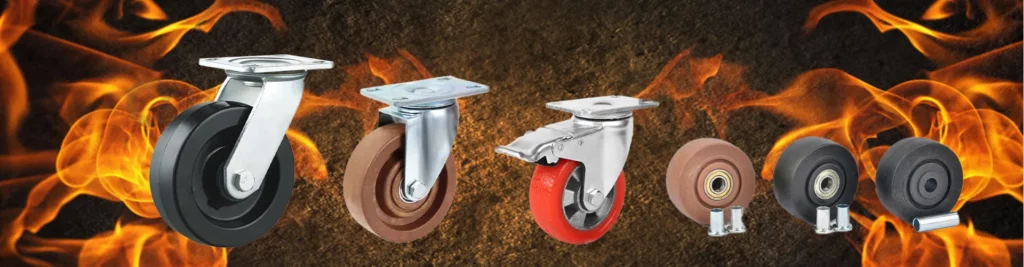
El principal desafío en tales entornos es el efecto de las altas temperaturas en materiales de ruedas estándar. La mayoría de las ruedas convencionales no están diseñadas para soportar calor extremo, lo que genera problemas como el ablandamiento del material, lo que reduce su capacidad de carga. La exposición prolongada a altas temperaturas también puede provocar deformaciones, donde las ruedas pueden perder su forma y dificultar la movilidad. En el peor de los casos, estas condiciones pueden provocar fallas en las ruedas, donde las ruedas podrían agrietarse o romperse bajo la tensión, lo que plantea graves riesgos de seguridad y podría provocar daños al equipo o retrasos operativos.
Comprender estos desafíos es crucial para elegir la opción adecuada. ruedas de alto calor. La rodaja ideal no sólo debe resistir los daños inducidos por la temperatura, sino también mantener su integridad funcional, garantizando un movimiento suave y confiable incluso en las condiciones más exigentes. A medida que profundizamos en el mundo de las rodajas para altas temperaturas, se hace evidente que la elección correcta puede elevar significativamente los estándares de rendimiento y seguridad de cualquier aplicación de alta temperatura.
En las siguientes secciones, exploraremos algunas de las mejores opciones disponibles de rodajas para altas temperaturas, cada una diseñada para satisfacer las rigurosas demandas de entornos de alta temperatura, garantizando que sus operaciones sigan funcionando sin problemas, sin importar el calor.
Las mejores ruedas para altas temperaturas
A. Ruedas fenólicas
Ruedas fenólicas destacan como una excelente opción para ambientes donde las altas temperaturas son un desafío constante. Estas ruedas son reconocidas por su excepcional resistencia al calor, capaces de soportar temperaturas de hasta 280 ℃. Este impresionante umbral se logra mediante el uso de resina fenólica, un material conocido por su estabilidad térmica y durabilidad bajo tensión.
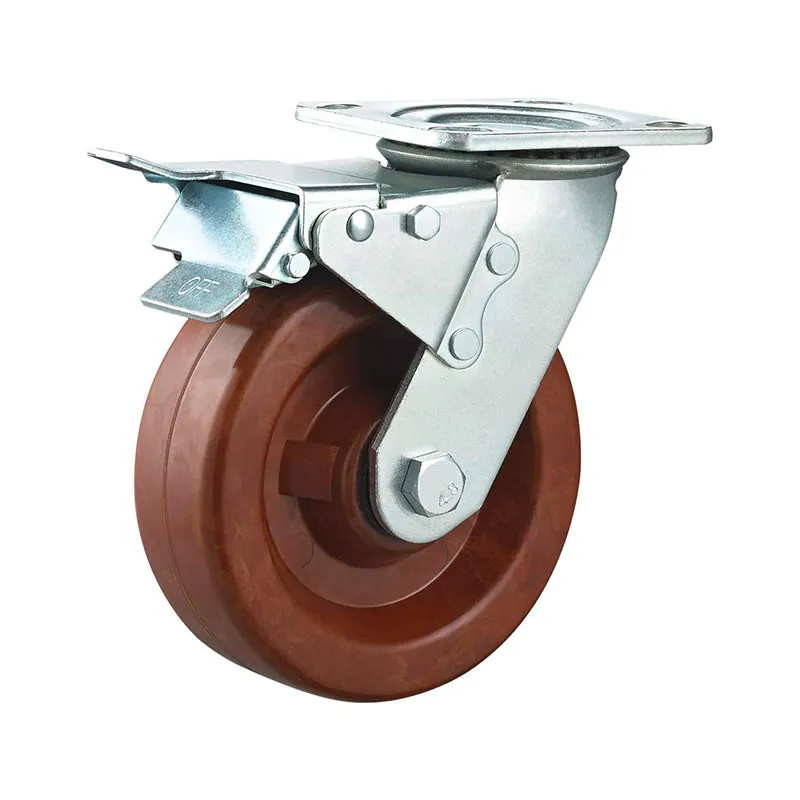
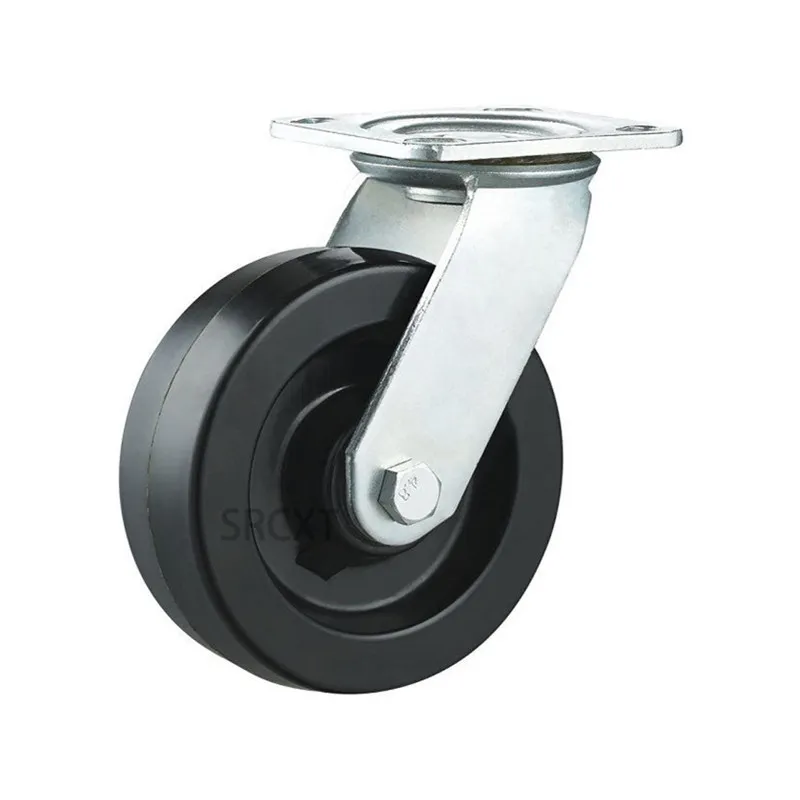
La composición de las ruedas fenólicas proporciona no solo resistencia al calor sino también resistencia a una variedad de productos químicos, lo que las hace ideales para su uso en entornos con uso intensivo de productos químicos, como laboratorios o plantas de fabricación. Su textura dura garantiza un desgaste mínimo incluso bajo cargas pesadas, lo que los convierte en una opción confiable para aplicaciones industriales. Además, estas ruedas suelen ser buscadas por sus cualidades de reducción de ruido, lo que contribuye a un entorno de trabajo más silencioso y agradable.
En términos de aplicaciones, las ruedas fenólicas son adecuadas para su uso en panaderías, autoclaves y otras áreas de procesamiento de alta temperatura donde sus propiedades de resistencia al calor son esenciales. Su capacidad para resistir procesos de limpieza rigurosos también los convierte en una opción higiénica, vital en las industrias de procesamiento de alimentos y atención médica. En general, las ruedas fenólicas brindan una combinación de durabilidad, resistencia a la temperatura y versatilidad, lo que las convierte en una excelente opción para una amplia gama de escenarios de altas temperaturas.
B. Ruedas de silicona resistentes al calor
Silicone heat-resistant casters are another top contender, especially in scenarios where high temperatures are coupled with a need for a softer tread. Capable of withstanding temperatures up to 200°C, these casters are a testament to the versatility of silicone as a heat-resistant material. The silicone tread offers a unique balance of heat resistance and cushioning, reducing noise and vibration, thus protecting delicate cargo during transport.
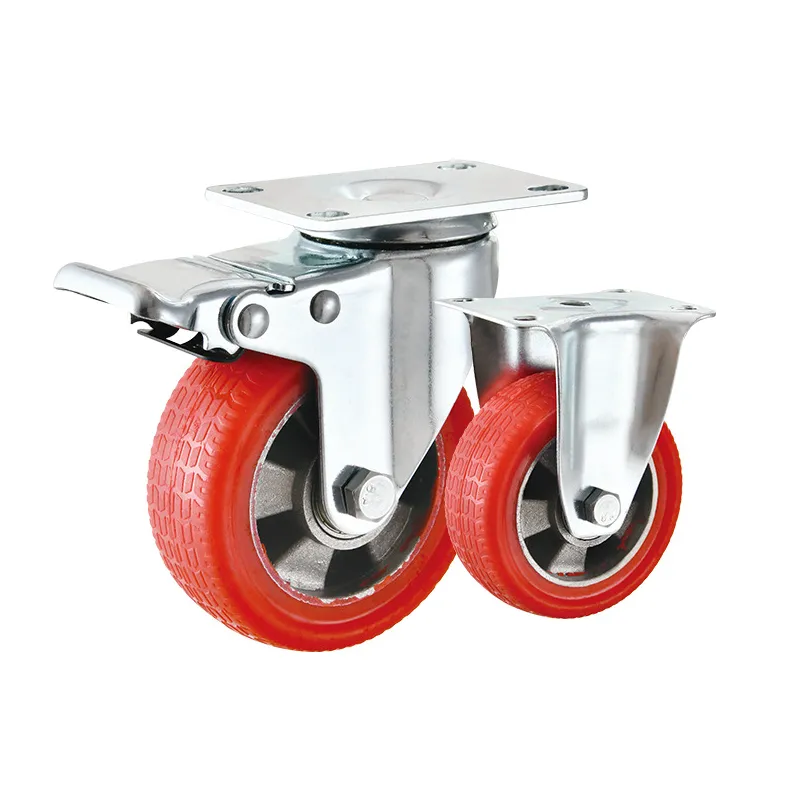
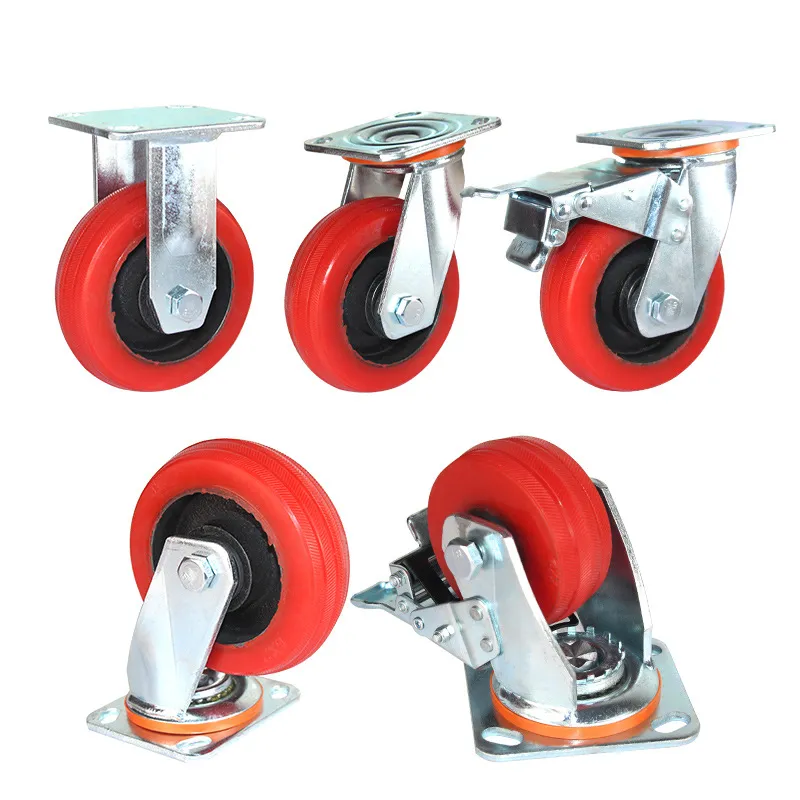
A distinctive feature of silicone heat-resistant casters is their food-grade material, making them a safe and hygienic choice for environments like commercial kitchens, ovens, and food processing units. Their non-marking nature ensures floors remain clean and unscathed, a critical consideration in pristine environments.
These casters are not just limited to the food industry; they also find extensive use in pharmaceuticals, electronics manufacturing, and other sectors where gentle yet durable wheel material is needed. Their soft tread allows for smooth operation on uneven surfaces, making them ideal for carts and mobile equipment in various settings.
C. Steel Casters
Ruedas de acero are synonymous with strength and resilience, especially in high-temperature conditions. Known for their robust construction, these casters can endure extreme temperatures, making them a solid choice for tarea pesada industrial applications. The key to their high heat resistance lies in the steel’s inherent properties, which maintain structural integrity and load-bearing capacity even under intense heat.
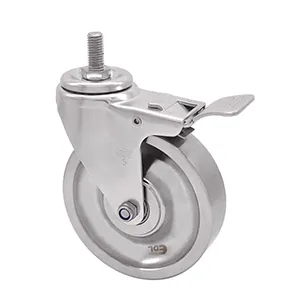
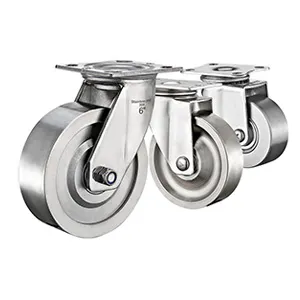
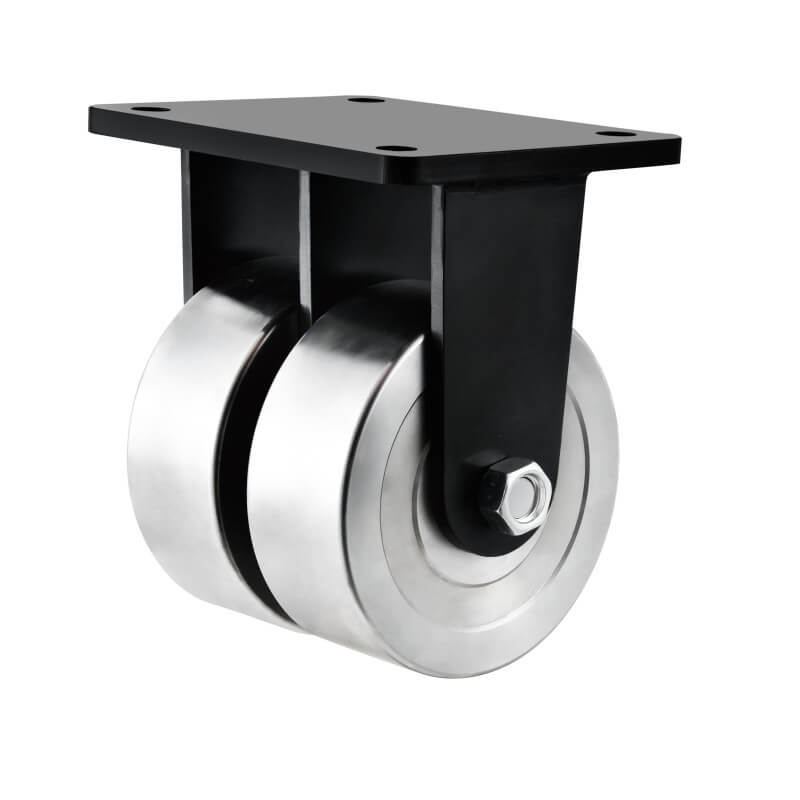
The durability of steel casters is not their only strong suit. They are also resistant to water, chemicals, and impacts, making them suitable for harsh industrial environments. Their hard wheel surface ensures smooth mobility on flat surfaces, ideal for transporting heavy machinery and materials.
In terms of temperature limits, steel casters can handle various ranges, making them versatile for different industrial settings, such as metalworking facilities, automotive manufacturing, and foundries. Their ability to withstand frequent temperature fluctuations without degrading makes them a reliable choice for businesses seeking long-term caster solutions.
D. Cast Iron Wheels
Cast iron wheels are the epitome of traditional strength and reliability in caster technology. Revered for their high temperature resistance, these wheels can handle extreme heat without losing their shape or functionality. The robust nature of cast iron makes it resistant to not just heat but also to abrasions, impacts, and continuous use.
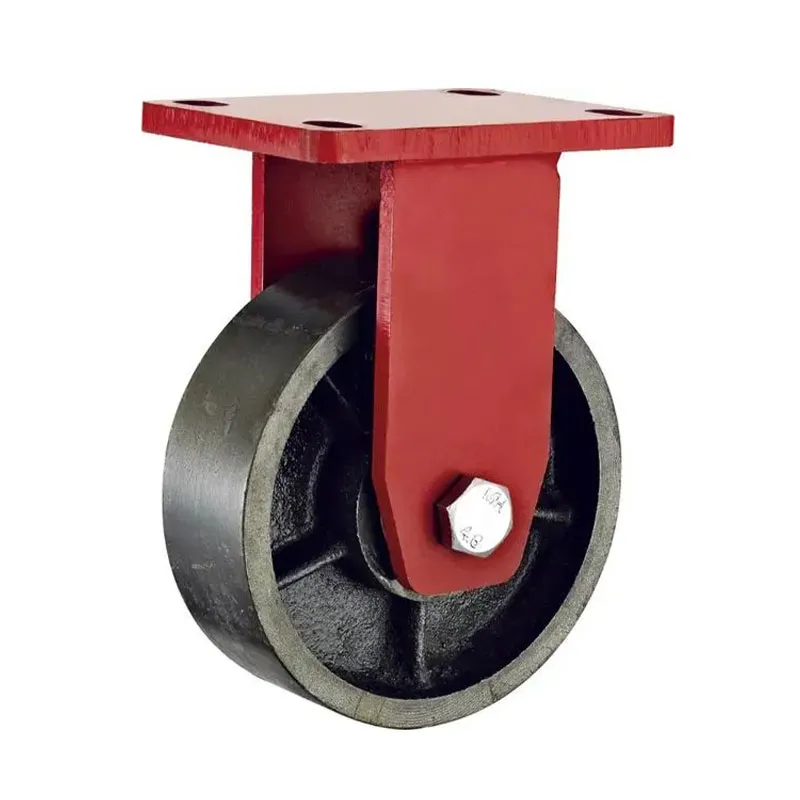
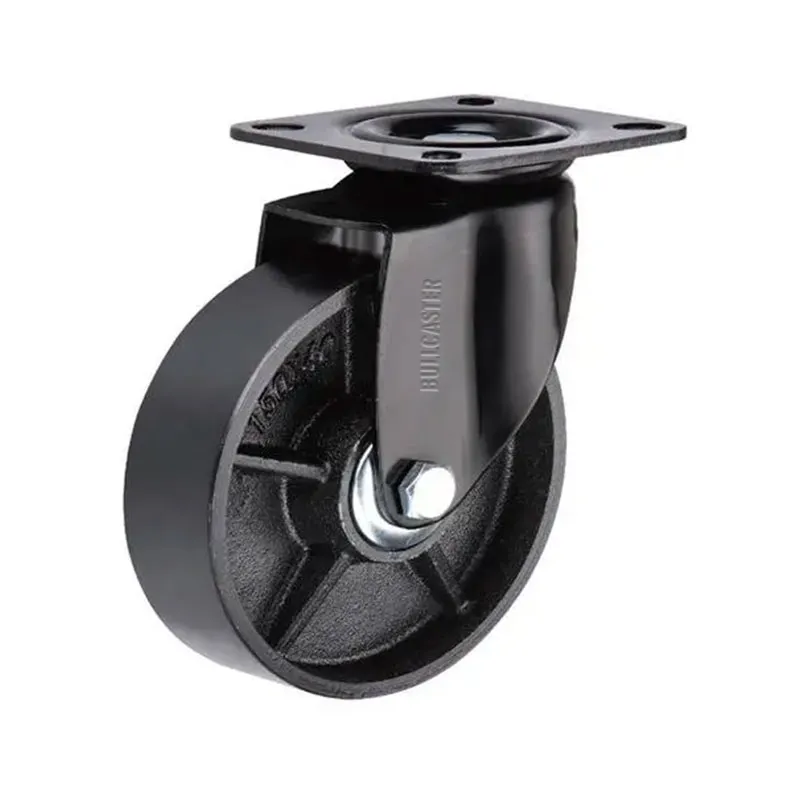
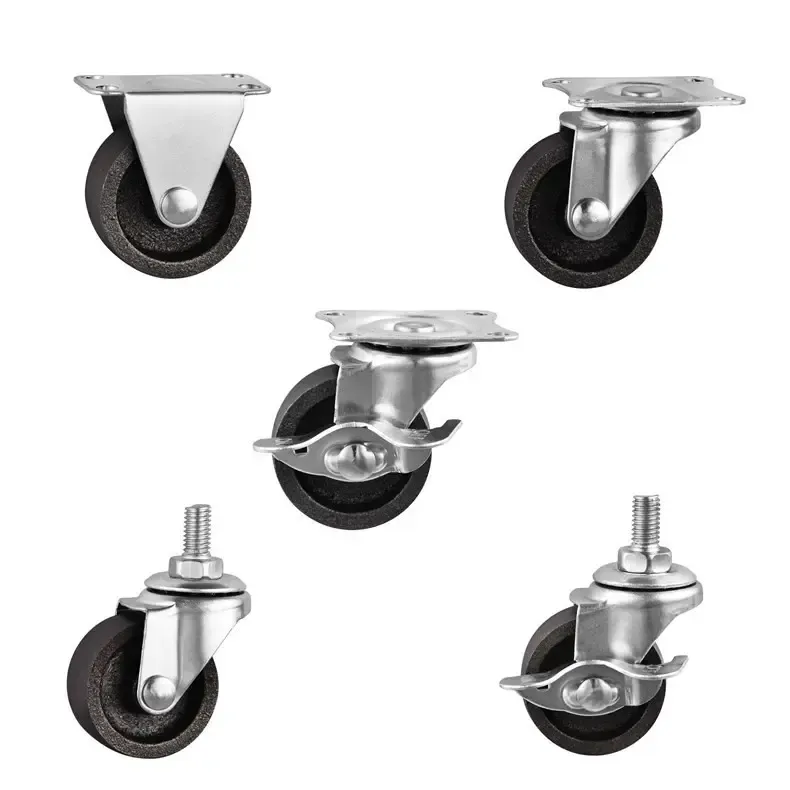
An important feature of cast iron wheels is their load-bearing capacity. These wheels are capable of supporting substantial weights, making them ideal for heavy industrial applications where reliability under load is a non-negotiable requirement. Their hard tread ensures minimal rolling resistance, allowing for easier movement of heavy loads.
Typical applications for cast iron wheels include industrial ovens, foundries, and other high-temperature environments where other materials might fail. They are also widely used in outdoor applications, thanks to their resistance to environmental elements. Despite their rugged nature, it’s important to note that cast iron wheels may require more maintenance in terms of lubrication and surface protection, especially in corrosive environments.
Conclusión
As we conclude our exploration of the best high heat casters for extreme temperature environments, it’s clear that choosing the right caster is crucial for maintaining efficiency, safety, and longevity in demanding industrial settings. Whether it’s the resilient phenolic casters, the versatile silicone heat-resistant casters, the robust steel casters, or the traditional cast iron wheels, each type offers unique benefits tailored to specific high temp scenarios.
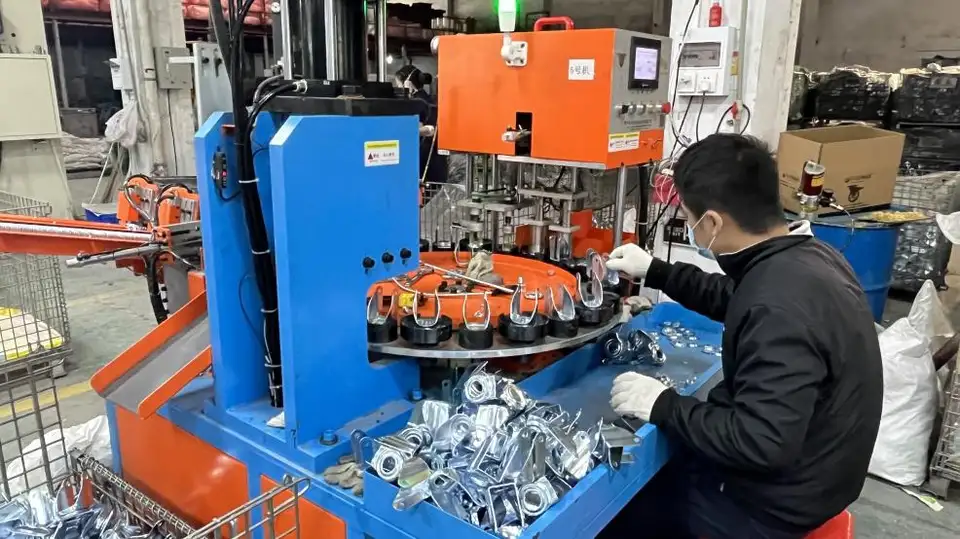
En lanzador de toros, we understand the critical role that high-quality casters play in your operations. Our extensive range of high heat casters is designed to meet the diverse needs of various industries, ensuring that no matter the temperature or application, we have the right solution for you.
Reach out to us today for a consultation and discover how Bullcaster can elevate your high temp applications. Whether you’re ready to place an order or simply seeking advice on the best caster options, we’re here to help. Contact us now.
FAQs
Q1: What makes high temperature casters different from regular casters?
A1: High-heat casters are specifically designed to withstand extreme temperatures without losing their structural integrity. They are made from materials like phenolic resin, silicone, steel, or cast iron, which resist softening, deformation, and breakage under high temperatures, unlike regular casters.
Q2: Can phenolic casters be used in food processing environments?
A2: Yes, phenolic casters are suitable for food processing environments due to their chemical resistance and durability. However, for direct food contact applications, food-grade casters like silicone heat-resistant casters are more appropriate.
Q3: Are silicone heat-resistant casters durable enough for industrial use?
A3: Absolutely. Silicone heat-resistant casters are designed to be both durable and flexible. They can withstand temperatures up to 200°C and are suitable for various industrial applications, especially where a softer tread is beneficial.
Q4: Can high heat casters also handle heavy loads?
A4: Yes, most high heat casters, especially steel and cast iron wheels, are designed to handle heavy loads without compromising performance, even in high-temperature conditions.
Q5: Does Bullcaster offer custom solutions for unique caster needs?
A5: Certainly! At Bullcaster, we specialize in providing custom caster solutions tailored to your specific requirements. Whether it’s unique dimensions, materials, or load capacities, we can design casters that perfectly fit your needs.
Q6: How do I choose the right high heat caster for my application?
A6: Choosing the right caster depends on several factors, including the temperature range, load capacity, and the specific environment in which the caster will be used. Our experts at Bullcaster can help guide you through the selection process to ensure you get the most suitable caster for your application.